Tradition and territory
Castello Viscogliosi, was born as a desire of the Viscogliosi and Citerni families of Siena to resume some traditional cultivations referred to the territories of origin conducted in the family estates located in Tuscany and Lazio. The common aspect that binds them is that until the end of the 1700s the territories in question were entities subject to the rule of the Boncompagni Ludovisi family, falling under the Principality of Piombino and the Duchy of Sora. The Boncompagni Ludovisi family resided in the castle located on the Island of Sora, which also came through inheritance to the Viscogliosi family that still inhabits it today.
History and values
We resume ancient cultivations linked to the territory and history of the Boncompagni Ludovisi families.
Protection of tradition
We guard centuries-old olive trees and unique native vines, such as the Scarlin olive and Pugnitello.
Quality and territory
We produce typical oils and wines, authentic expression of the territory with unique characteristics
Our Story
The Genesis and Vision of Castle Viscogliosi
Castello Viscogliosi was born from the desire of the Viscogliosi and Citerni families of Siena to resume ancient traditional cultivation on family farms located in Tuscany and Lazio. This initiative is animated by the desire to reconstitute, at least ideally, the historical unity that bound these territories together. Until the end of the 1700s, in fact, they were under the rule of the Boncompagni Ludovisi family, which resided in the Castello dell’Isola di Sora, now inhabited by the Viscogliosi family. The aim is to devote themselves to specific cultivations of olive trees and vines, and their products, thus celebrating a centuries-old bond between the two territories.
The Enhancement of Rare and Autochthonous Olive Cultivars
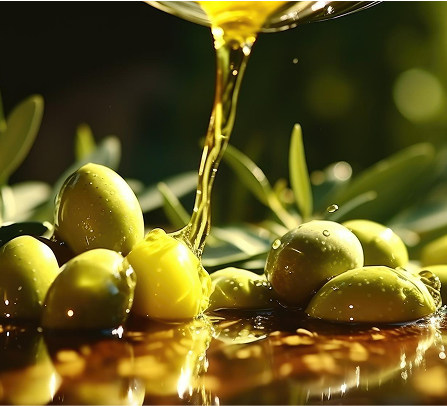
Castello Viscogliosi is dedicated to the care of centuries-old olive trees, rediscovering and enhancing rare and unknown cultivars. One example is the Scarlinese olivastra, typical of the Grosseto area, of which the company is custodian grower for the Region of Tuscany. Its oil, although low yielding, is of excellent quality. The company is replanting this variety to increase production of monovarietal oil. Other centuries-old olive trees not yet surveyed have also been found and will be replicated for conservation, including a variety whose genotype suggests an origin from the eastern Mediterranean/Middle East, possibly dating back to the Crusades. Classic Tuscan varieties, such as leccino, pendolino, frantoio and moraiolo, complete the production for IGP Toscano extra virgin olive oil.
The Rediscovery and Cultivation
of the Pugnitello Vine
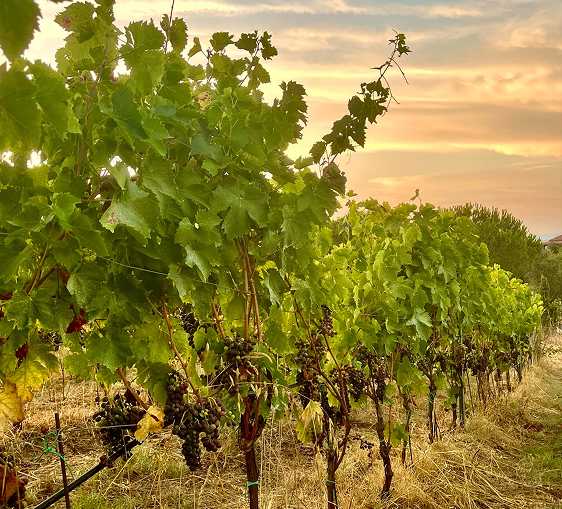
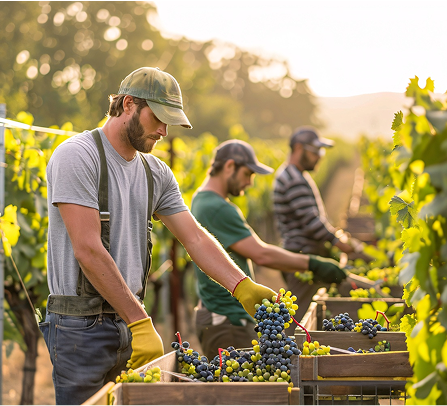
In the wine sector, Castello Viscogliosi has replanted Pugnitello, an indigenous red grape variety recently entered in the national register. This variety, part of a project to rediscover ancient Tuscan grape varieties, produces small clusters and a wine of remarkable complexity: deep purplish-red color, aromas of cinnamon, cloves, berries and tobacco, with a velvety, savory palate. For Pugnitello, too, the winery is custodian grower for the Region of Tuscany.
The Introduction of the Aleatico Vine
As a further addition to the viticultural crops, Castello Viscogliosi has planted Aleatico. This choice was inspired by the excellent results this grape variety produces on the nearby island of Elba, suggesting a similar potential for success and quality in the winery’s new growing grounds as well.
The excellence
of our wineThe Viscogliosi Castle Project.
Castello Viscogliosi cultivates prized indigenous grape varieties, such as Pugnitello, which has a deep, fragrant red wine with aromas of spices, berries and tobacco. Velvety and rich, it is the fruit of an ancient Tuscan variety that has been rediscovered and preserved. Alongside it, Aleatico, known for its aromatic elegance, is also grown.